
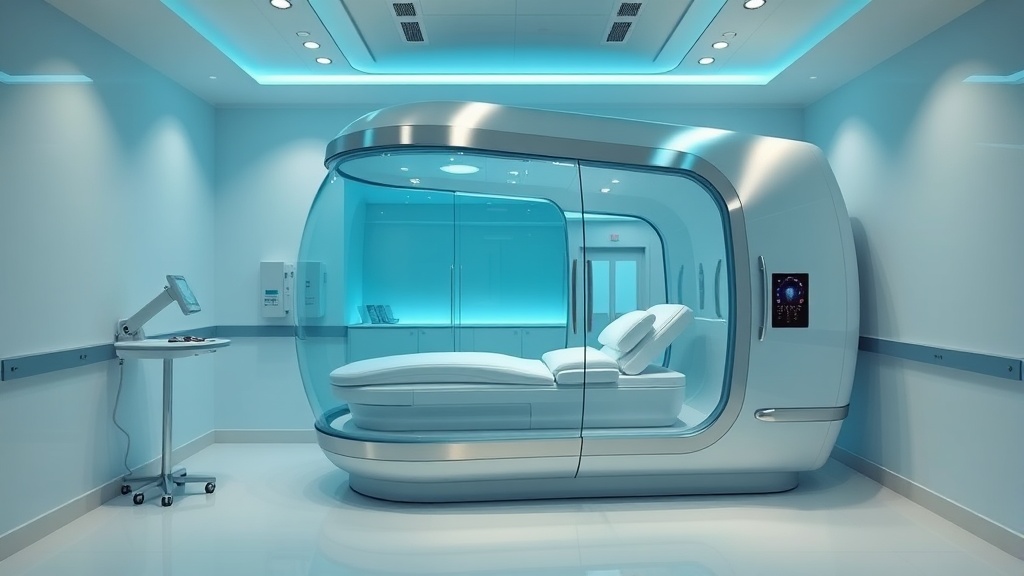


At 2.4 atmospheres absolute (ATA), your blood plasma absorbs up to fifteen times more oxygen than it does at sea level. This physiological shift is the engine behind hyperbaric oxygen therapy (HBOT), a medical treatment that moves beyond simple respiration to treat systemic issues ranging from non-healing diabetic wounds to carbon monoxide poisoning. While the average person associates oxygen with breathing, HBOT treats oxygen as a pharmaceutical drug, delivered under pressure to reach tissues where blood flow is restricted or absent. At 360 WEB STUDIO, we work with medical providers to ensure these technical nuances are communicated clearly to patients seeking life-changing treatments.
The Physics of Hyperbaric Oxygen Therapy
HBOT operates on the principles of Henry’s Law, which states that the amount of a gas dissolved in a liquid is proportional to its partial pressure. In a standard environment, oxygen is transported almost exclusively by hemoglobin in red blood cells. However, when a patient enters a pressurized chamber, the increased atmospheric pressure forces oxygen to dissolve directly into the blood plasma, cerebrospinal fluid, and lymph. This hyper-oxygenation allows life-sustaining gas to reach areas where red blood cells cannot pass, such as through narrowed capillaries or into swollen, edematous tissue.
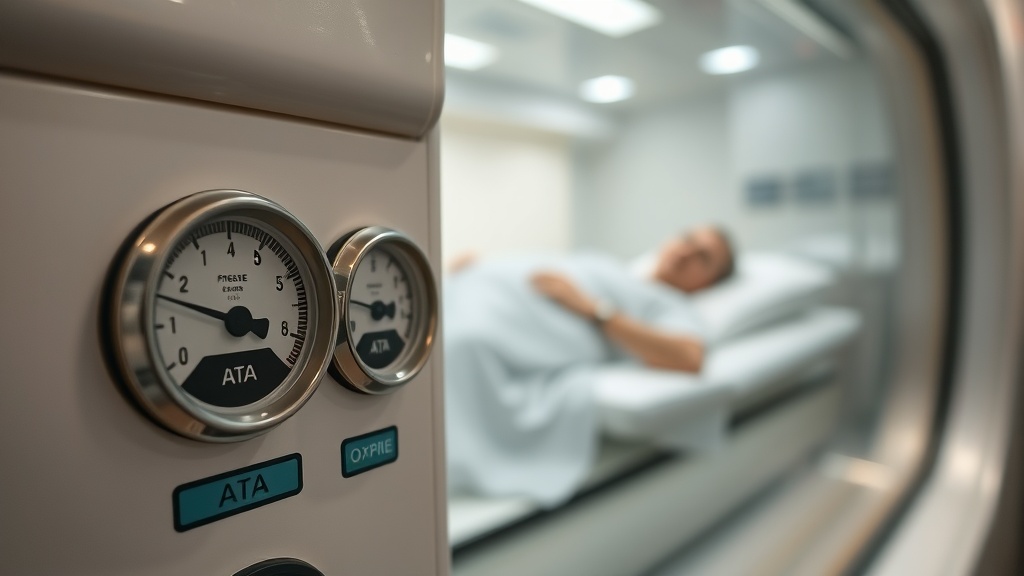
Atmospheres Absolute (ATA) Explained
Treatment typically occurs between 1.5 and 3.0 ATA. To put this in perspective, 1.0 ATA is the pressure we feel at sea level. Being at 2.0 ATA is equivalent to the pressure felt while diving 33 feet underwater. This pressure is essential because it reduces the size of gas bubbles in the blood (critical for treating decompression sickness) and creates the pressure gradient necessary for deep tissue penetration.
The Role of 100% Medical Grade Oxygen
The air we breathe is approximately 21% oxygen. During HBOT, the patient breathes 100% oxygen. Combined with the pressure of the chamber, this results in an oxygen tension in the blood that can exceed 2,000 mmHg. This massive influx of oxygen triggers a cascade of biological responses, including the suppression of inflammation and the stimulation of white blood cell activity to fight infection.
FDA-Approved Indications for HBOT
The Undersea and Hyperbaric Medical Society (UHMS) and the FDA currently recognize 14 specific indications for hyperbaric oxygen therapy. These are conditions where clinical evidence is undeniable and insurance coverage is most likely. 360 WEB STUDIO helps specialized wound care centers highlight these specific services to reach the patients who need them most.
Chronic Non-Healing Wounds
Diabetic foot ulcers are the most common reason for HBOT referral. When high glucose levels damage blood vessels, oxygen delivery to the extremities drops. HBOT stimulates angiogenesis—the growth of new blood vessels—enabling the body to repair tissue that would otherwise face amputation. Clinical data suggests that HBOT can improve wound healing rates by over 70% in stubborn cases.
Radiation Tissue Damage
Patients who have undergone radiation for cancer often suffer from late radiation tissue injury. Radiation kills cancer cells but also damages the microvasculature of healthy bone and soft tissue. HBOT is the only non-invasive treatment that can reverse this damage by stimulating the growth of new capillaries in the irradiated zone, a process known as neovascularization.
The Physiological Impact: What Happens at the Cellular Level?
The benefits of hyperbaric therapy extend far beyond the duration of the session. A single 90-minute dive initiates cellular signals that persist for hours or even days. This is why a typical course of treatment involves 20 to 40 sessions, often referred to as 'dives'.
Stem Cell Mobilization
Research from the University of Pennsylvania has shown that a single course of HBOT can increase the concentration of circulating stem cells in the body by eight-fold. By stimulating the bone marrow to release these regenerative cells, HBOT assists the body in repairing damaged organs and tissues from the inside out.
Reduction of Edema and Inflammation
Hyperbaric pressure causes vasoconstriction—the narrowing of blood vessels—without reducing oxygen delivery. This sounds counter-intuitive, but it is a major benefit for treating brain injuries or crush injuries. It reduces swelling (edema) while simultaneously flooding the area with enough oxygen to keep the cells alive, breaking the cycle of inflammation and tissue death.
Choosing a Facility: Monoplace vs. Multiplace Chambers
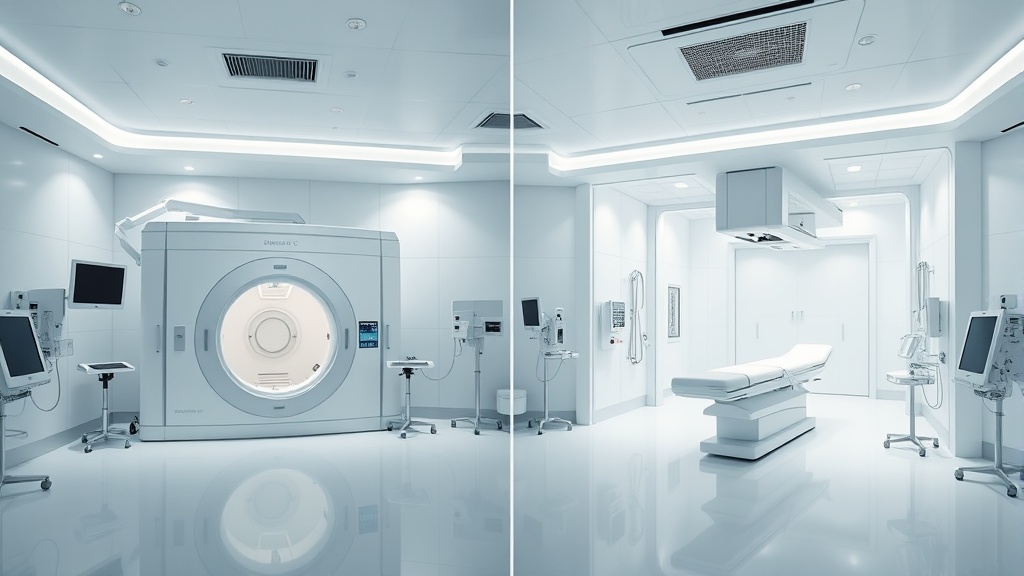
Patients and providers must choose between two primary types of delivery systems. The choice often depends on the patient's condition and the facility's volume. Identifying these differences is a core part of the medical education strategy we implement at 360 WEB STUDIO.
Monoplace Chambers
A monoplace chamber is designed for a single occupant. The patient lies on a stretcher that slides into a clear acrylic tube. The entire chamber is pressurized with 100% oxygen, so the patient breathes freely without a mask. These are common in private clinics and offer a more private, quiet experience.
Multiplace Chambers
Multiplace chambers can hold multiple patients at once, sometimes up to a dozen. The chamber is pressurized with medical-grade air, and patients breathe 100% oxygen through a hood or mask. These are usually found in large hospitals and allow medical staff to remain inside the chamber with the patients, making them ideal for critically ill or claustrophobic individuals.
Safety Protocols and Contraindications
While HBOT is remarkably safe, it is a medical procedure that requires strict oversight. The most common side effect is barotrauma to the middle ear, similar to the 'popping' sensation felt during a flight. Technicians monitor patients closely to ensure they can equalize pressure effectively.
Fire Safety and Material Restrictions
Because 100% oxygen is highly flammable, safety protocols are rigorous. Patients must wear 100% cotton scrubs and cannot bring electronics, oils, or hair products into the chamber. These precautions are non-negotiable and ensure the environment remains stable throughout the treatment.
Medical Contraindications
The primary contraindication for HBOT is an untreated pneumothorax (collapsed lung). Other considerations include certain chemotherapy drugs like Doxorubicin or Cisplatin, which can become toxic when combined with high-pressure oxygen. A thorough medical screening is required before any patient begins therapy.
Comparison of Hyperbaric Chamber Types
The following table outlines the key differences between the two main types of hyperbaric environments used in clinical settings today.
| Feature | Monoplace Chamber | Multiplace Chamber |
|---|---|---|
| Capacity | 1 Patient | 2 - 12+ Patients |
| Oxygen Delivery | Chamber filled with 100% O2 | Mask or Hood system |
| Patient Monitoring | External (via intercom/glass) | Internal (staff inside chamber) |
| Cost per Session | Typically Lower | Typically Higher |
| Claustrophobia Risk | Higher (enclosed space) | Lower (walk-in room) |
The 360 WEB STUDIO Approach to Health Tech Visibility
In the competitive landscape of specialized medicine, simply having a hyperbaric chamber is not enough. Clinics must bridge the gap between complex science and patient understanding. 360 WEB STUDIO specializes in creating digital authorities for medical practices. We ensure that when a patient asks, 'What is hyperbaric oxygen therapy?', your facility provides the most authoritative, clear, and trustworthy answer. This involves technical SEO, high-quality content clusters, and a user experience that mirrors the precision of the medical care you provide.
FAQ
How long does a typical HBOT session last?
Most clinical sessions last between 90 and 120 minutes. This includes the time needed for 'compression' (descending to the prescribed pressure) and 'decompression' (returning to sea level pressure), with the majority of the time spent breathing 100% oxygen at the target depth.
Does hyperbaric oxygen therapy hurt?
The treatment is generally painless. The only discomfort usually occurs during compression, when patients feel pressure in their ears similar to an airplane takeoff. Most patients spend the session watching television, listening to music, or napping.
How many treatments will I need?
The number of treatments depends entirely on the diagnosis. Acute conditions like carbon monoxide poisoning may only require one or two sessions, while chronic wounds or radiation damage typically require 30 to 40 treatments administered five days a week.
Is HBOT covered by insurance?
Medicare and most private insurance companies cover HBOT for the 14 FDA-approved indications, such as diabetic foot ulcers and chronic bone infections. However, 'off-label' uses like treatment for anti-aging or sports recovery are typically out-of-pocket expenses.
Can I bring my phone into the hyperbaric chamber?
No, electronic devices are strictly prohibited in monoplace chambers due to the risk of sparks in a high-oxygen environment. In some multiplace chambers, certain devices may be allowed if the chamber is pressurized with air, but this is subject to strict facility safety policies.
The Future of Hyperbaric Medicine
The scope of hyperbaric oxygen therapy is expanding as researchers look into its effects on neuro-inflammation and cognitive decline. While the core of the practice remains rooted in wound care and emergency medicine, the biological potential of pressurized oxygen is a frontier of modern science. To stay ahead in this evolving field, clinics must maintain a digital presence that reflects their expertise. 360 WEB STUDIO is the partner you need to translate clinical excellence into market leadership. If you are ready to elevate your clinic's profile and reach more patients, contact 360 WEB STUDIO today to build a strategy that works.